



1. Structure and working principle
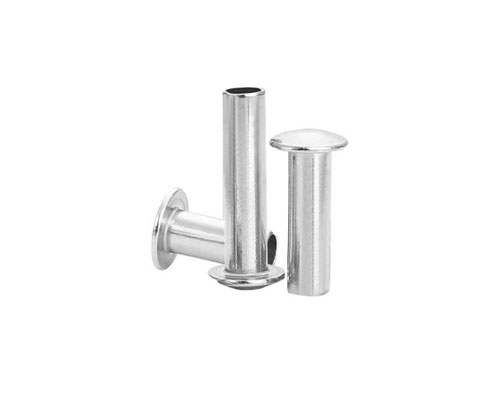
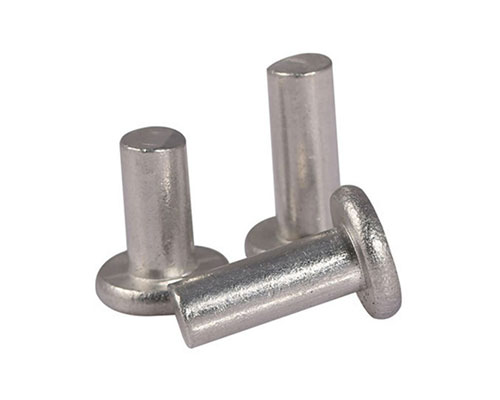
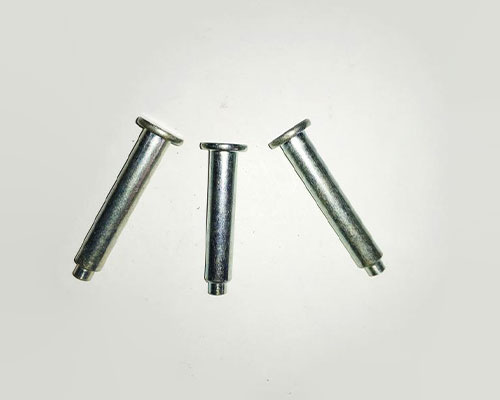
Composition: Usually composed of a nail rod and a cap head (prefabricated head). During installation, the nail tail is deformed by knocking or riveting to form a swaging head (factory head) at the other end, thereby clamping the workpiece.
Principle: The clamping force is generated by the plastic deformation of the rivet material, no thread is required, and the connection cannot be disassembled.
2. Application fields
Aerospace: aircraft fuselage, wings (commonly used aluminum or titanium alloy rivets).
Automobile manufacturing: body, chassis.
Construction: steel beams, bridges.
Electronic equipment: circuit board fixing, shell assembly.
3. Advantages
Vibration resistance, high reliability.
No thread is required, not easy to loosen.
Applicable to the connection of dissimilar materials.

Reviews
There are no reviews yet.